

| Make Work | |||||||||||||
We grow up in a culture that we come to think is normal. Stepping into another culture can be frustrating, particularly holding on to our values that differ markedly from those around us. Many of the stereotypes apply.
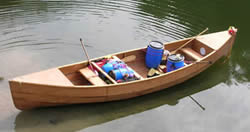
I think that Colombians have tremendous assets. The students here, for instance, seem highly motivated, respectful, energetic and grateful for any help they can get. They dress neatly, in uniforms for the most part, hair trim, very alert, happy. Colombians rank among the highest in the world on the happiness scale. They aren't intimidated by professors, but they show friendly respect. Students are stepping into a challenging economy. Young adult unemployment rates are difficult to judge give the lack of good data, but it is extremely high. In Aracataca one estimate shows 62% of the population is living in poverty. Palm Oil Economic changes in this region, particularly the shift from a diversified rural economy to the dominance of Palma de Aceite (African Oil Palm) has reduced per hectare labor demands from as many as 10 workers per hectare to 1 worker for ten or more hectares. That’s a decline from 4 workers per acre to 1 worker every 20 acres. Thousands of workers have been displaced through the consolidation of small diversified land holdings to a relatively small number of palm plantations. This is not to argue that African Oil Palm is a bad crop. Oil palm produces roughly twice the oil per acre as soybeans or other oil crops. A palm tree lives approximately 30 years during which the land remains in a forested state with no plowing or other erosion inducing activities. The demands for fertilizer, insecticides, fungicides and herbicides are relatively less than most row crops. The trees are rustic and can withstand periods of high winds, floods and droughts. The variety grown here requires irrigation, but other varieties would require less if water resources decline further. The trunks and stems are left to rot in place, with only the fruit itself being removed for processing, so the land loses relatively little organic matter. The trees sequester carbon for long periods and return it to the earth as organic matter. They produce a palpable cooling effect in the immediate area, a welcome relief from the unrelenting heat of coastal Colombia. Palm oil, much like corn, has become a staple of the gastro-industrial manufacturing system. Much of the edible oil is bottled a sold for cooking. The oil is also broken down into about 100 basic chemicals including citric acid, lactic acid, mono and di-glicerides. It is then reconstructed into fast food, snacks and other heart stopping fetes. Other chemicals extracted from palm oil include Sodium Lauryl Sulfate and cocamide, staples in most hair shampoos. It is difficult to eat or bathe without using palm oil. The palm oil industry supports a charitable foundation in Colombia called FundePalma. Aracataca has benefited significantly from FundePalma programs, including reconstruction of the Telegraph Museum, restoration of the historic train station, educational programs for youth and programs to assist people in poverty. The conversion from bananas, cacao, yucca and other crops to palm plantations has resulted in the loss of many low-paying, low skilled jobs and increased unemployment and poverty. One would be tempted to wax poetic of the days of banana plantation workers, but their reality was not an easy one, though certainly better than unemployment and destitution. Population growth, political instability, extended periods of violence, capital flight and an education system that cannot meet current demand are also significant contributors to the gap between the need for jobs and the capacity of local businesses to create these jobs. Make Work So, where do I fit in? I imagined that my role in Aractaca would be to create new kinds of employment. Tourism is a promising avenue. The national, departmental and local governments are making it a priority. Ruta Macondo is a national effort to tie our geography to the works of Gabriel García Márquez, particularly 100 Years of Solitude. Much of what I have written in the blogs chronicles my interest in increasing tourism opportunities in this region. We are working on several tourism streams including people that want to visit the home of Gabriel García Márquez, but also those that want to pedal and hike, people interesting in the party environment and those interested in history and local culture. I am hoping to build a canoe as few exist here and the rivers and immense Cienaga Estuary look like interesting options for tourism.
Unfortunately, the Sierra Nevada and the fascinating indigenous populations that live there are not seeking tourism. Concerns of the indigenous about the damaging impacts of tourism and other outside incursions include litter, deforestation, ATV trails (even here), fires, alcohol, drug abuse, and crime. Until recently there have been armed groups of left wing guerillas and right wing paramilitaries occupying parts of the sierra adding to distrust and insecurity. Perhaps the most important objection is indigenous belief that the highest peaks of the Sierra are sacred and that any incursion would be a religious violation. One trail has been developed on the northern slope of the Sierra to the “Lost City””. The trail is extremely popular bringing a continuous stream of three to five day organized hiking groups. It has contributed significantly to economic growth in that region, but has had no impact on this western slope of the Sierra.
Sustainable agriculture also makes sense when resources are limited. I am assisting SENA, the community college system, with courses on African Oil Palm. My role is to provide the 23 or so students in each class with cross-cultural and technical information on oil palm and in particular provide exposure to English and how it would make them more competitive in the job market. There is little point in vilifying the most important crop in this region. Rather, I am providing more information on a certification process through RSPO, the Roundtable on Sustainable Palm Oil, so that they will consider certifying farms where they are eventually employed as technicians. RSPO certification calls for best practices to reduce harm to the environment and workers using integrated pest management strategies, fair employment practices and transparency in all operations.
Crop diversification is another important avenue. Monoculture, even of the hearty oil palms, has big challenges. Fatal disease, insect and nematode infestations are cutting into profitability and may eventually force crop diversification. Examples include PC-Pudrición de Cogollo-Bud Rot, Anillo Rojo - Red Ring and Marchitez Letal – Lethal Wilt all of which are essentially untreatable and require removal of the infected trees. Cacao Para La Paz I have recently been working with representatives of the USDA and US Embassy Cacao for Peace program, covered in another of my posts. Arguably growing cacao for export shares some of the same criticisms as palm oil.
Cacao has captured the interest of USAID, USDA and a number of land-grant universities in the US.
One of Aracataca’s outlying districts is even named Theobromina. Theobromine is a bitter alkaloid found in Cacao plants. We have the history and experience, but Palm Oil has reduced all other irrigated land to marginal status. I have written two reports on Cacao with a lot of details and more photos of farms, farmers, fermentation and drying facilities, and chocolate production. Links are included below.
Peanuts I’m also keen to try peanut production here. Peanuts are high protein, nitrogen fixing legumes, they are easy to grow, love hot weather and cost more in Colombia than in the US. This is the time to plant as the rain switch was suddenly turned on and the land is rapidly turning from barren, dry sand to soggy and green. I’m going to see whether I can talk a farmer into planning a small amount. It seems like a great idea, but nobody has even tried it here. There are risks with pests, particularly squirrels, but the rewards might be significant. Green economy is a buzzword, but I’m all for it. One of the big challenges, already included in other blog posts, is plastic waste. Our timing is unfortunate. Plastic recycling worldwide is on the skids right now with very low oil prices leading to very low prices for new plastic and very low prices for recycled plastic. The degree to which we are willing to destroy our environment to produce cheap oil, is also the degree to which we will suffer from degradation resulting from consumption of that cheap oil including toxic air, water and enormous volumes of plastic waste.
When reduction fails, and re-use isn’t an option, then recycling or down-cycling is the last option before disposal. Most of our grant funds will go to the purchase recycling containers for a number of schools and town parks. These systems are intended to provide people with choices and some information about the importance of their choices. I hope to provide classes in each of the schools to explain the importance of recycling, their use and the interesting things we can make for recycled plastic and metal. There are a number of appropriate technologies that interest me. On a very small scale, plastics are re-purposed already. Damaged CDs and DVDs are frequently employed as reflectors on the back of wagons and bici-taxis. Brightly colored plastics are used in handcrafts. On a bigger scale plastic can be melted and extruded or molded it into fence posts and other simple, rugged products. This is considered down-cycling since the value of the good is lower than the original plastic product, but it can be better than landfill, and is always much better than open pit burning or litter. I am putting together a desk-top plastic recycling system to take to the schools to give demonstrations. It is fun to do this on a shoestring budget, but purchases like a toaster oven, a thing I would easily find in Blue Hill’s mountain of scrap, can cost me a week’s salary. If the pieces come together, though, we may be able to create a local plastic reuse and recycling program on a small scale. We won’t be turning plastic bottles into carpets as is happening on a global scale, but we might be able to reduce our waste stream and produce some useful local products, and in the process generate more work for the marginally employed recyclers. There may even be entrepreneurial opportunities to start new manufacturing businesses. And so I circle back to where I started, and it’s about time! I am in Colombia as an expert in community and economic development. I haven’t felt like an expert in anything here, but I have had some time and freedom to explore solutions to local challenges. I’m just past the half-way point in my eleven month contract, but want to get projects started for future volunteers coming to Aracataca and the larger region. I think we are started. |


 The Great Cienaga Estuary offers another intriguing option for eco-tourism. My blog


